Autism After 50: Why So Many Were Missed and What Finding Out Can Change
Most autistic people over 50 have never been identified. What late identification is like, what is known about health, and what to ask for.
OwnmindedPublished 15 min read
The moment it clicks
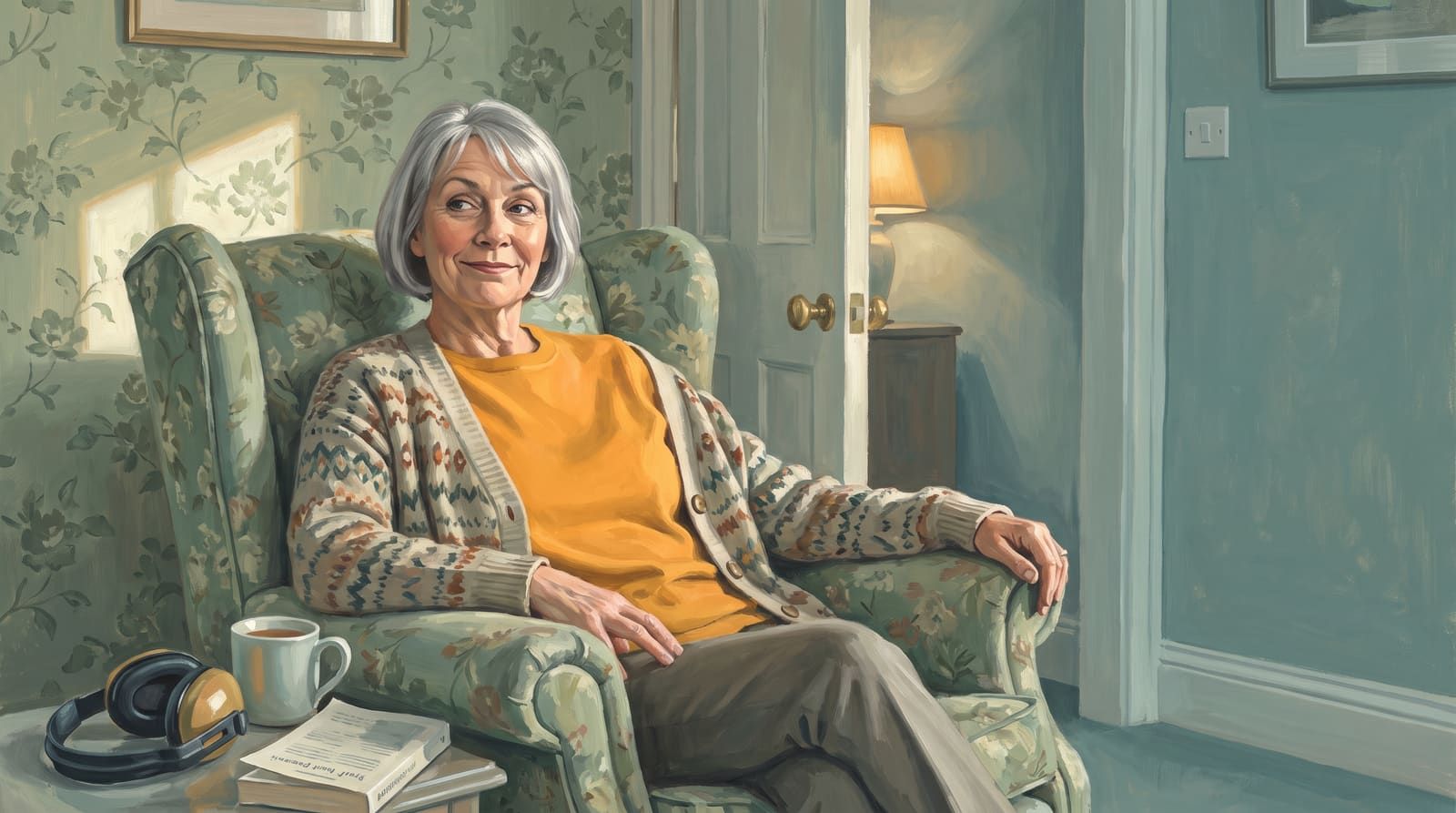
Your child or grandchild has just been assessed, and you are reading the report at the kitchen table. The list of traits sounds less like them and more like you: the routines, the exhaustion after social events, the feeling that everyone else got a manual you never saw. You are 55, and nobody has ever said the word autism to you. You wonder whether it is too late to ask.
It is not. Most autistic people now in their 50s and older were never identified, because they grew up when autism was poorly recognised. Finding out late can make sense of a whole life and give you grounds to ask for adjustments. But the health research about older autistic people is thin and skewed, and services were built for children, so much of what helps after 50 has to be asked for, or found among other autistic people.
How many people over 50 were missed?
The gap is largest in the oldest age groups. A UCL team led by Elizabeth O’Nions compared GP records in England with how common autism is thought to be, and estimated that between 250,000 and 600,000 autistic people over 50 may be undiagnosed. The range is wide because nobody knows the true rate: the lower figure assumes about 1% of people are autistic, a number from a 2011 paper written before the diagnostic criteria became more inclusive.
A 2025 review from King’s College London re-ran the numbers by age group and found the gap widens the older people get.
- Aged 40–59
- 89%
- Aged 60 and over
- 97%
These are modelled estimates, not a headcount, and the GP records cover only about a tenth of practices in England. Still, the direction is clear. If you are over 50 and suspect you are autistic, you are in the majority, not the exception: most people like you have simply never been asked. That leaves the practical question of how anyone gets identified at this age at all.
How do people find out in their 50s?
Late identification rarely starts with the person themselves. In one of the first studies of this group, Steven Stagg and Hannah Belcher at Anglia Ruskin University interviewed nine adults aged 52 to 54 who had been diagnosed through the NHS. Their routes in were mostly other people: a child’s diagnosis, a partner, a therapist or a friend.
The participants had already been in the health system for something else: they had received treatment for anxiety and depression. That pattern makes sense: when nobody is looking for autism, the distress it causes in an unaccommodating world gets named as something more familiar.
Getting assessed can be slow and costly. A study following 14 adults through assessment in North America, Europe and Australia, most of them aged 20 to 39, found waits from three weeks to two and a half years, and 13 of the 14 paid privately. For you, the useful lesson is that the people around you are often the ones who notice first, and the wait is long enough that it is worth starting the conversation with your GP early.
What does finding out change?
For many people, identification works less like a label and more like a key to the past. The adults in Stagg and Belcher’s study described relief, and Brenda in particular described relief from blame.
The change can also be practical. Linda found that the diagnosis helped her name her feelings for the first time, including guilt, which she could then spot across her whole life. Paul used it to plan. Knowing why some places drain you is what lets you change the places rather than blame yourself.
A diagnosis also carries weight with services. It gives you a formal basis to ask for reasonable adjustments, which matters because autistic people may have unmet needs even when they seem to be coping. And at 50 and beyond, the place you are most likely to need adjustments is in healthcare.
What is known about health as autistic people age?
On average, older autistic adults carry more health conditions, and researchers point to the world around them as a likely contributor. The 2025 King’s College review, by Gavin Stewart and Francesca Happé, found higher rates of almost every physical and mental health condition in middle-aged and older autistic adults. The list runs from heart disease and gut problems to anxiety, depression, osteoporosis and arthritis.
The why matters. O’Nions and colleagues point to social adversity, discrimination, lack of support and barriers to healthcare as likely contributors to poorer health. Those are things that services can change.
Life expectancy is the figure most often quoted and the least certain. The review reports a six-year gap, 75 years against 81, and warns that underdiagnosis may skew it.
Loneliness is the other clear signal. A 2024 survey of 428 adults aged 40 to 93 found that loneliness rose with age only in the autistic group, and that autistic men may be at greater risk of growing isolation as they get older. None of this means autism gets worse with age. It suggests unmet needs may add up over decades, and the next step is to look at the care that is supposed to meet them.
Why does ordinary healthcare miss older autistic patients?
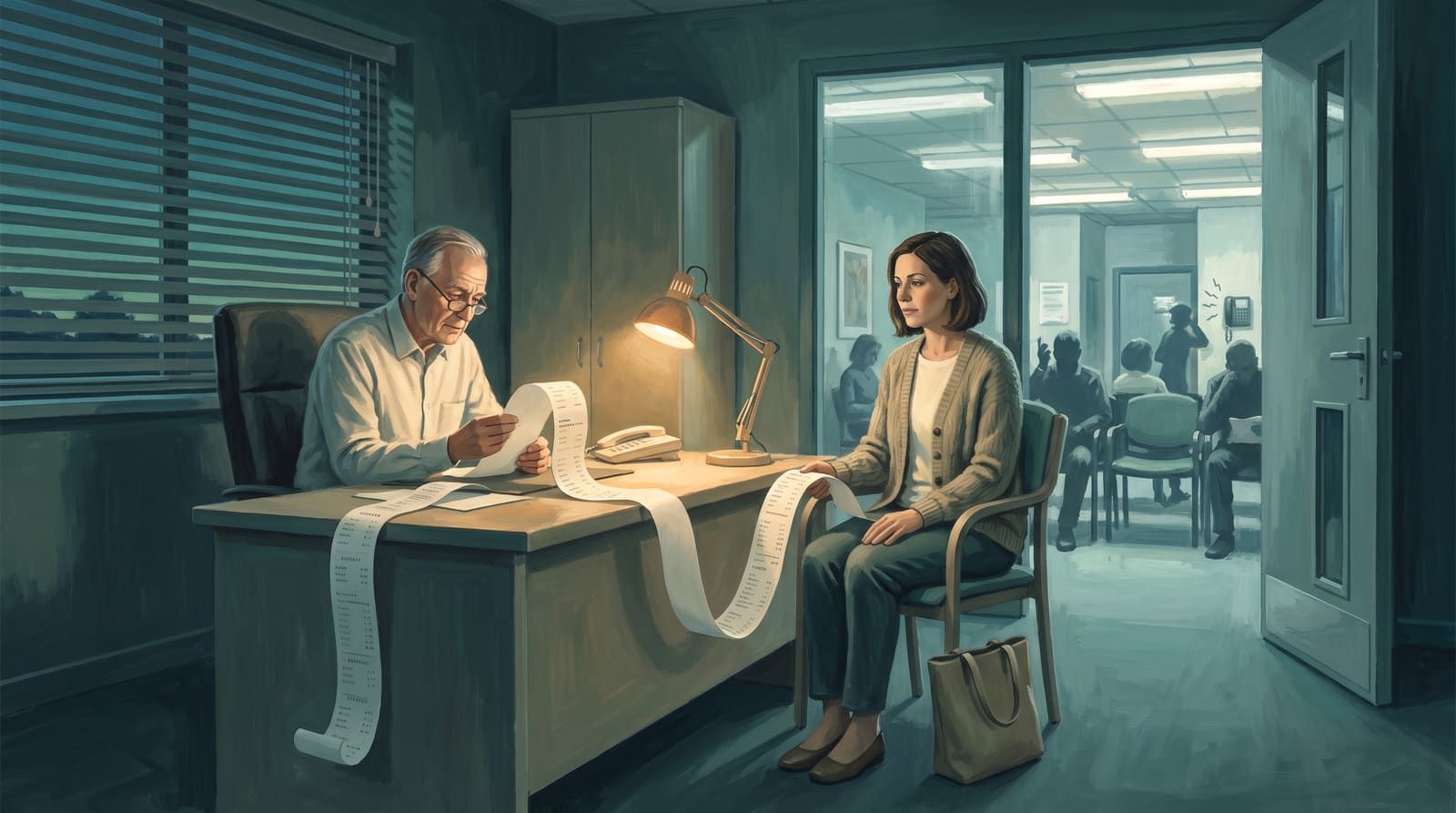
The way many autistic people communicate about their health is often the very thing that gets them dismissed. Martha Piper and Rebecca Charlton at Goldsmiths interviewed 15 autistic people about menopause. Many had brought lists of symptoms to their GP, and were brushed off.
One participant, Amanda, felt that “autistic people are automatically on the hypochondriac list at the GP”. The opposite mistake happened too: a doctor assumed a well-informed patient already understood her HRT, and she was left confused about how to take it.
Lifelong habits follow people into midlife. Several participants described masking, hiding autistic traits to “act normal”, carrying on into menopause, so they coped with symptoms rather than asking for help. The researchers also found that autistic participants faced the lifelong impact of living without a diagnosis, and called for tailored care.
One NHS-funded project is trying to build that tailoring in. It worked with autistic people, relatives and clinicians to design a health check for autistic adults, including a form filled in before the appointment that records health information and the adjustments the person needs. The study is still running and has no published results, but its design shows what a better appointment looks like: the adjustments are agreed before you walk in, not negotiated in the room.
Why is so little known?
Older autistic people have been almost absent from research. Just 174 of more than 34,000 autism studies since 1980, about 0.4%, have looked at older adults, and most stop at age 40. Research on ageing has grown nearly fourfold since 2012, but from a very low base.
Underdiagnosis makes the problem worse, because the studies that do exist mostly see the small group who were identified. Gavin Stewart warned that this may skew the whole picture of how autistic people age. There is also a lack of research that follows the same autistic people over many years, which is the only way to measure ageing directly.
Researchers and autistic commentators both see the gap, and they stress different things about it.
Views differ
The researchers
For you, the gap means two things. Treat any single figure about ageing with caution, and expect that the evidence will not yet tell you what to do. One place to look is other autistic people who have been through it.
What support do people want after a late diagnosis?
What late-diagnosed adults ask for is help applying the diagnosis to their own lives, and what they usually get is a leaflet. A 2022 study by Catherine Crompton and colleagues, interviewing 12 adults diagnosed in adulthood, notes that many autistic adults report being offered no support whatsoever. There can be an assumption that reaching adulthood without help means none is needed. Rachel Worsley of Reframing Autism summed up the mismatch.
Into that gap, other autistic people step. In the Stagg and Belcher study, none of the participants over 50 had help from trained therapists, and the help that did come was from the autistic community, often online. Crompton’s participants said the same: connection with autistic peers felt easier because they did not have to hide. One woman, 43, said: “It is great to have people who don’t need an explanation… you don’t need to hide your autistic traits.”
The weak point is funding. Some people found their peer group had closed for lack of money, space or a coordinator. So it is worth finding more than one source of peer contact, and treating an online community as a real support, not a second best.
What helps now
For an autistic adult over 50, or anyone who suspects they are, the most useful steps are about preparing the ground before you need it.
If you are over 50 and autistic, or think you might be
- Start the conversation early. Waits for assessment can run past two years, so raise it with your GP now, and mention any family member who has been diagnosed.
- Write down your health and your adjustments before appointments. The NHS health check study used a form filled in beforehand covering health information and the adjustments that make the visit work. You can make your own version.
- Ask how the diagnosis applies to you. If you are only offered written information, ask for help understanding what it means for your relationships, work and plans.
- Look for autistic peers, online and locally. Late-diagnosed adults in these studies describe this as where support came from.
- Look back with kinder eyes. If you were treated for anxiety or depression for years, it is fair to revisit what was going on in light of what you now know.
Partners and adult children matter too. In the Stagg and Belcher study, partners, friends and colleagues were sometimes the ones who suggested an assessment, so a gentle, specific observation from you can be where it starts.
Late, but not too late
Most autistic people over 50 have never been told they are autistic, and the systems around them were not built with them in mind. The research is thin, the health figures are uncertain, and post-diagnosis support is patchy. But several people who found out in their 50s describe the same thing: a past that finally makes sense, and a clearer idea of what to ask for. Late identification does not fix those systems. It gives you the words, and the right, to ask them to adjust.
- National Autistic Society(opens in a new tab)
UK charity; its knowledge hub explains the research on undiagnosed autistic adults in England.
UK
- Reframing Autism(opens in a new tab)
Organisation with plain-language summaries of research on adult diagnosis and peer support.
Australia
- Autism Answers Back(opens in a new tab)
Autistic commentary on the 2025 review of ageing across the autism spectrum.
Autistic-led
Get new articles by email
One short email when we publish something new. Evidence-informed writing on autism in adulthood, no spam.
Sources (12)
- Aimee Fletcher, National Autistic Society (2023). Under diagnosis of autism in England: a population-based study. National Autistic Society.
- Stagg, S. D. & Belcher, H. (2019). Living with autism without knowing: receiving a diagnosis in later life. Health Psychology and Behavioral Medicine.
- Serial qualitative interview study of adults awaiting autism assessment. Autism, SAGE.
- O'Nions, E. et al. (2023). Estimating life expectancy and years of life lost for autistic people in the UK: a matched cohort study. Lancet Regional Health – Europe.
- Stewart, G. R. et al. (2024). Experiences of social isolation and loneliness in middle-aged and older autistic adults. Neurodiversity.
- Piper, M. A. & Charlton, R. A. (2026). Common and unique menopause experiences among autistic and non-autistic people: A qualitative study. Journal of Health Psychology.
- Piper, M. A. & Charlton, R. A. (2026). Common and unique menopause experiences among autistic and non-autistic people (full text). PubMed Central.
- Health Research Authority (2021). Health Checks for Autistic Adults (research summary). Health Research Authority.
- King's College London (2025). Around 90% of middle-aged and older autistic adults are undiagnosed in the UK, new review finds. King's College London.
- Autism Answers Back (2025). What Happens to Autistic Adults as We Age? The Review That Finally Asked. Autism Answers Back.
- Crompton, C. J. et al. (2022). Interviews with autistic adults about post-diagnostic peer support in adulthood. Frontiers in Psychology.
- Rachel Worsley, Reframing Autism (2023). A Group of Fellow Travellers Who Understand. Reframing Autism.
How we research and write our articles: Editorial policySources & methodologyMedical disclaimer