Autism After 50: Why So Many Were Missed and What Finding Out Can Change
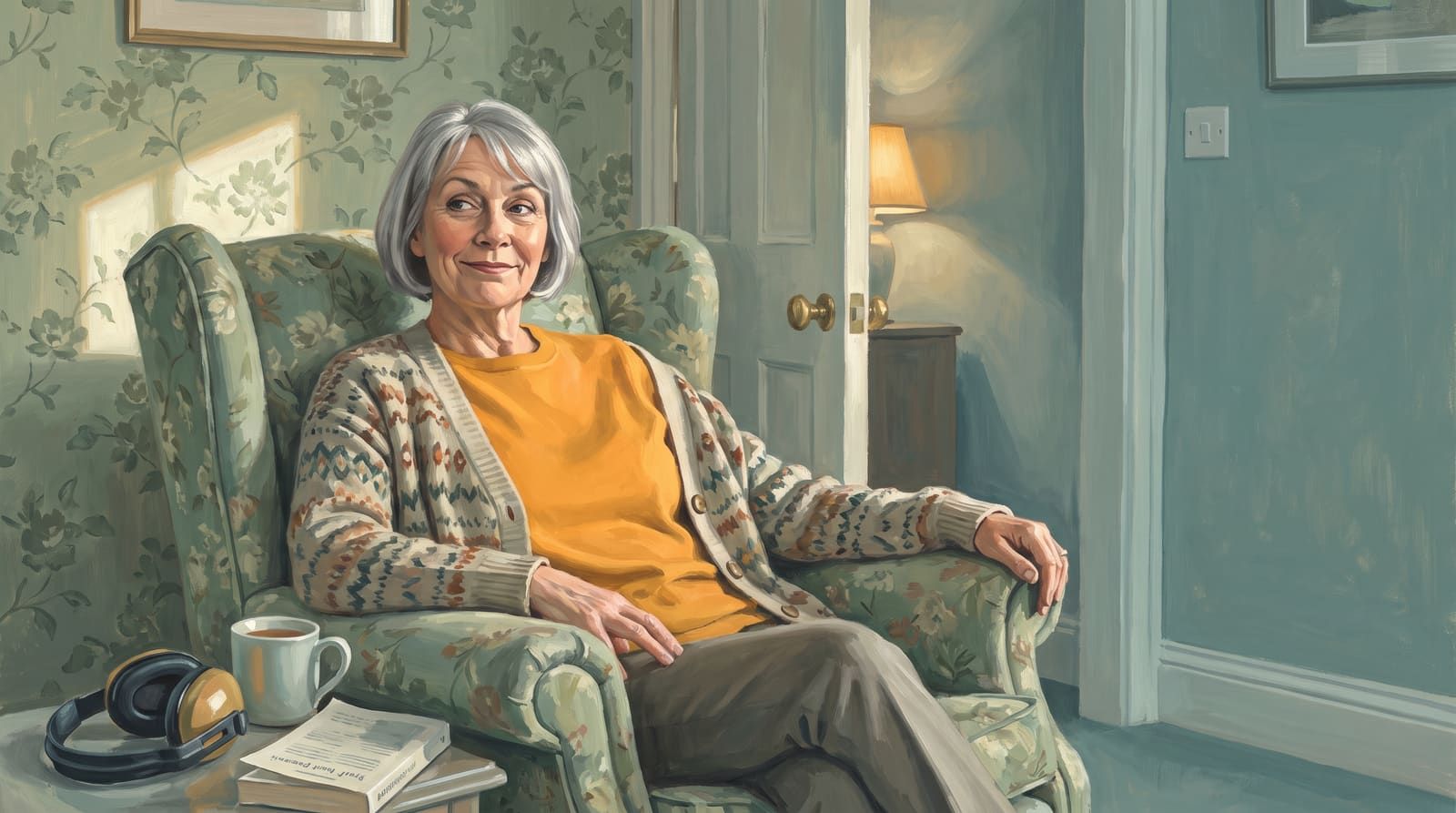
Most autistic people over 50 have never been identified. What late identification is like, what is known about health, and what to ask for.
15 min read
Every article we have published, grouped by topic, newest first.
Most autistic people over 50 have never been identified. What late identification is like, what is known about health, and what to ask for.
15 min read
What research and autistic adults say about when to tell your child they are autistic, what to say, and how to keep talking.
15 min read
Why self-identifying as autistic is usually accurate, what a formal diagnosis adds, what it costs, and how to decide what you need.
15 min read
Why autistic girls and women are diagnosed later and less often, how masking hides them, what it costs, and how to get an assessment that sees you.
17 min read
What autistic masking is, why it happens, how it differs from ordinary social adjustment, and how it connects to stress, burnout, and delayed diagnosis.
11 min read
Why autism and ADHD so often come together, how routine and novelty pull against each other, and what support serves both.
10 min read
Why a late autism diagnosis can bring both relief and sadness, what the grief is about, and what helps you carry it.
10 min read
Why medical appointments drain many autistic adults, what the research shows about health gaps, and the adjustments and scripts that help.
10 min read
What demand avoidance and PDA mean, why the label is disputed, what seems to drive it, and why less pressure works better than rewards.
14 min read
What autistic special interests are, how they differ from OCD, what they do for wellbeing, and when one is really causing harm.
15 min read
Why not knowing what comes next is so closely linked to autistic anxiety, why therapy often needs adapting, and what helps day to day.
10 min read
Autistic inertia is trouble starting, stopping and switching, not laziness. Learn what it feels like and which small on-ramps help.
12 min read
What monotropism is, why deep focus feels good and interruptions hurt, and how to protect focus and ease transitions.
12 min read
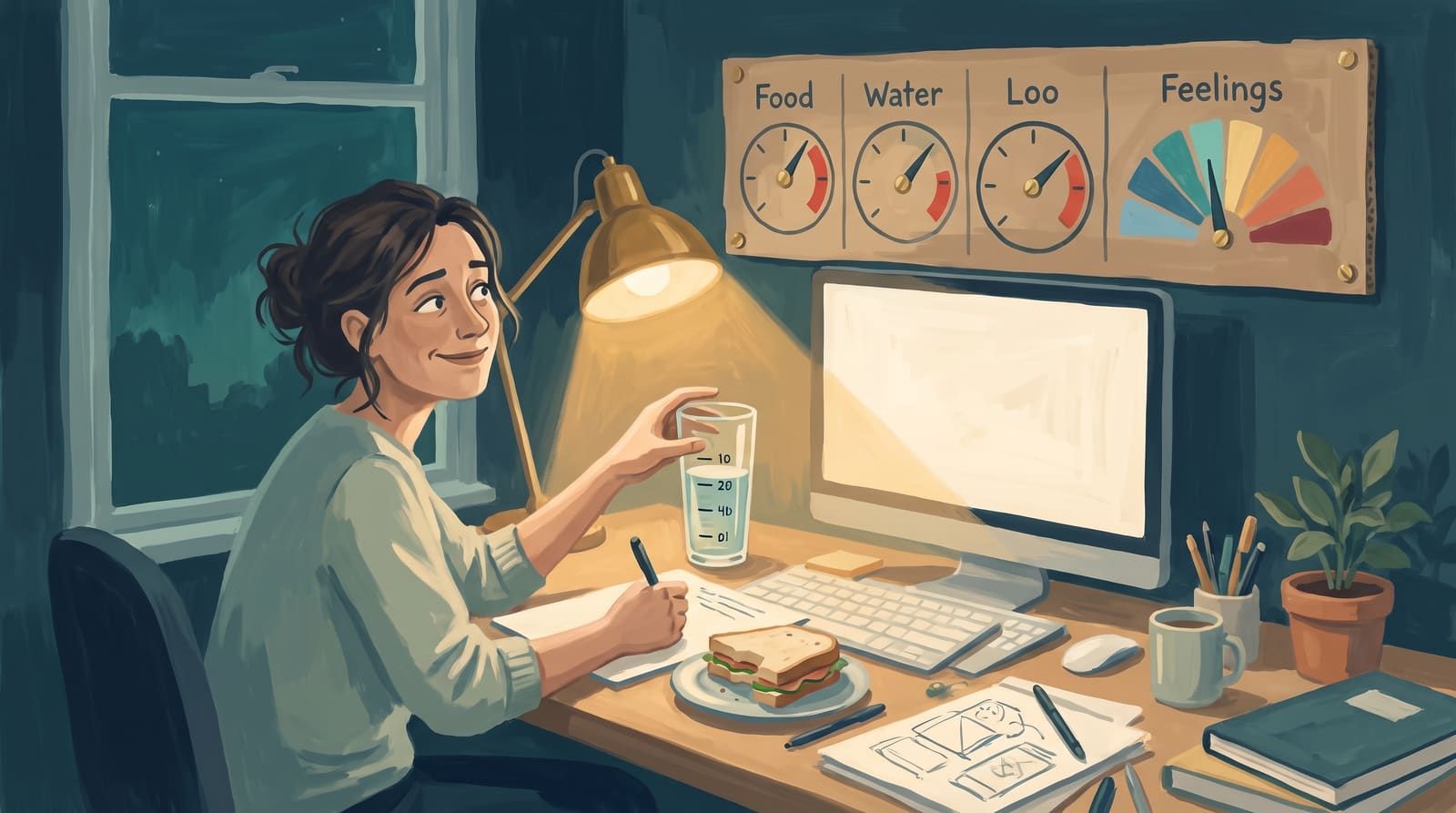
Why many autistic people notice hunger, thirst or emotions only when they are urgent, and how outside cues can help.
11 min read
Why so many autistic people struggle with food textures, how autism and Avoidant/Restrictive Food Intake Disorder (ARFID) overlap, and practical strategies for safer mealtimes.
12 min read
What autistic burnout is, why workplaces are high-risk, how it differs from depression, and recovery strategies.
10 min read
Stimming is not a problem behaviour to eliminate — it is how autistic nervous systems self-regulate. A clinician's guide to understanding and supporting it.
14 min read
Why family life can overload autistic parents, what they bring to parenting, and the home changes that lighten the load.
10 min read
Autistic sleep is a body-clock and sensory problem, not a discipline problem. The fix is designing light, sound, and the last two hours of the day.
12 min read
How to tell a meltdown from a shutdown, what to do in the moment, and how recovery and burnout fit in.
12 min read
Why autistic friendships often look different, what gets in the way, and how to find the people and places where connection works.
14 min read
Why dating and mixed autistic/non-autistic relationships get stuck, and what helps each partner and the couple.
9 min read
What the double empathy problem is, what the research shows, and what it changes for autistic people, families, clinicians and workplaces.
13 min read
Why time with people can leave autistic adults drained, how it differs from introversion, and how to plan recovery.
9 min read
Why a five-minute chat can drain you for hours, what research says about masking and fatigue, and what helps.
10 min read
Why standard interviews judge social style over skill, what the research says helps autistic candidates, and how to ask for adjustments.
16 min read
The real trade-offs of disclosing autism at work, when and how to do it, and which adjustments are worth asking for.
11 min read
Higher education can be the first place an autistic student runs their own routine — but only when adjustments are written down before term.
11 min read
Why some autistic children cannot attend school, how it differs from truancy, and what helps at school and at home.
10 min read