Autistic Dating and Relationships: Learning Each Other's Language
Why dating and mixed autistic/non-autistic relationships get stuck, and what helps each partner and the couple.
OwnmindedPublished 9 min read
Not a lack of love
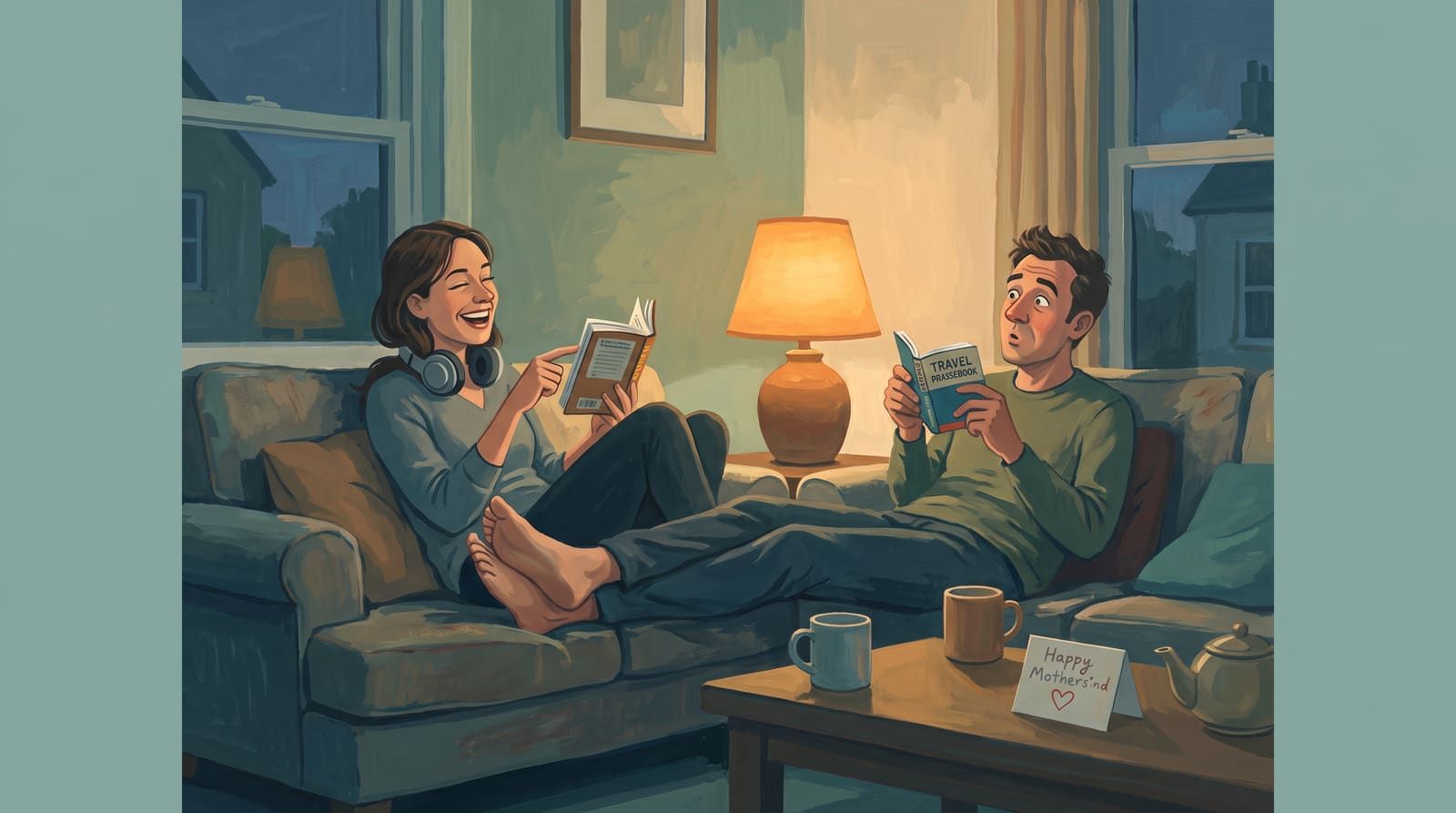
You told your partner you needed a quiet evening, and they heard that you did not want them. Or they hinted at something for a week, and you only found out when they were upset. Neither of you meant harm, and both of you felt it.
Dating and long-term relationships ask a lot of anyone. For autistic adults, and for the people who love them, much of that work is about signals: how care is shown, how needs are said, and how much touch, talk and time together feels good. This article covers why dating can be hard, where mixed couples tend to get stuck, what autistic partners bring, and what helps each of you.
Why does dating feel so hard?
Many autistic adults describe dating as a set of rules nobody wrote down. The main pressure points are:
- Ambiguity: flirting, hints and “seeing where it goes” all rely on reading between the lines.
- Sensory load: loud bars and crowded restaurants drain energy before the conversation even starts.
- Social fatigue: a long first date can use up the reserves needed to enjoy it.
- Disclosure: deciding whether, when and how to say you are autistic.
Shared special interests in community spaces are one route to meeting compatible people.
Dating apps
Apps remove some face-to-face pressure but add risks. In a 2026 study of autistic adults using online dating, 54.5% chose not to mention autism in their profiles, 40% had received unwanted sexually explicit messages and 43% reported verbal abuse (Gibbs et al., 2026).
Profile-rich apps that focus on written answers and compatibility, rather than fast photo swiping, may suit people who prefer clear information. Rejection on an app can sting, and one suggestion is a 24-hour rule before acting on rejection feelings, treating an unmatch as data rather than a judgement.
Should you tell a date you are autistic?
There is no single right answer. Three broad approaches are common: open, soft and delayed disclosure.
| Aspect | Open disclosure | Soft disclosure | Delayed disclosure |
|---|---|---|---|
| What it looks like | Saying you are autistic in your profile | Mentioning neurodivergent-related interests or communities | Not mentioning it on your profile or in early messages |
Whichever you choose, it can help to frame autism as information about how you experience the world, not a list of deficits.
Where do mixed couples get stuck?
A scoping review of counselling advice for couples with an autistic partner found communication difficulties to be a main challenge, and advocated viewing each partner as both having challenges and able to adapt.
Communication
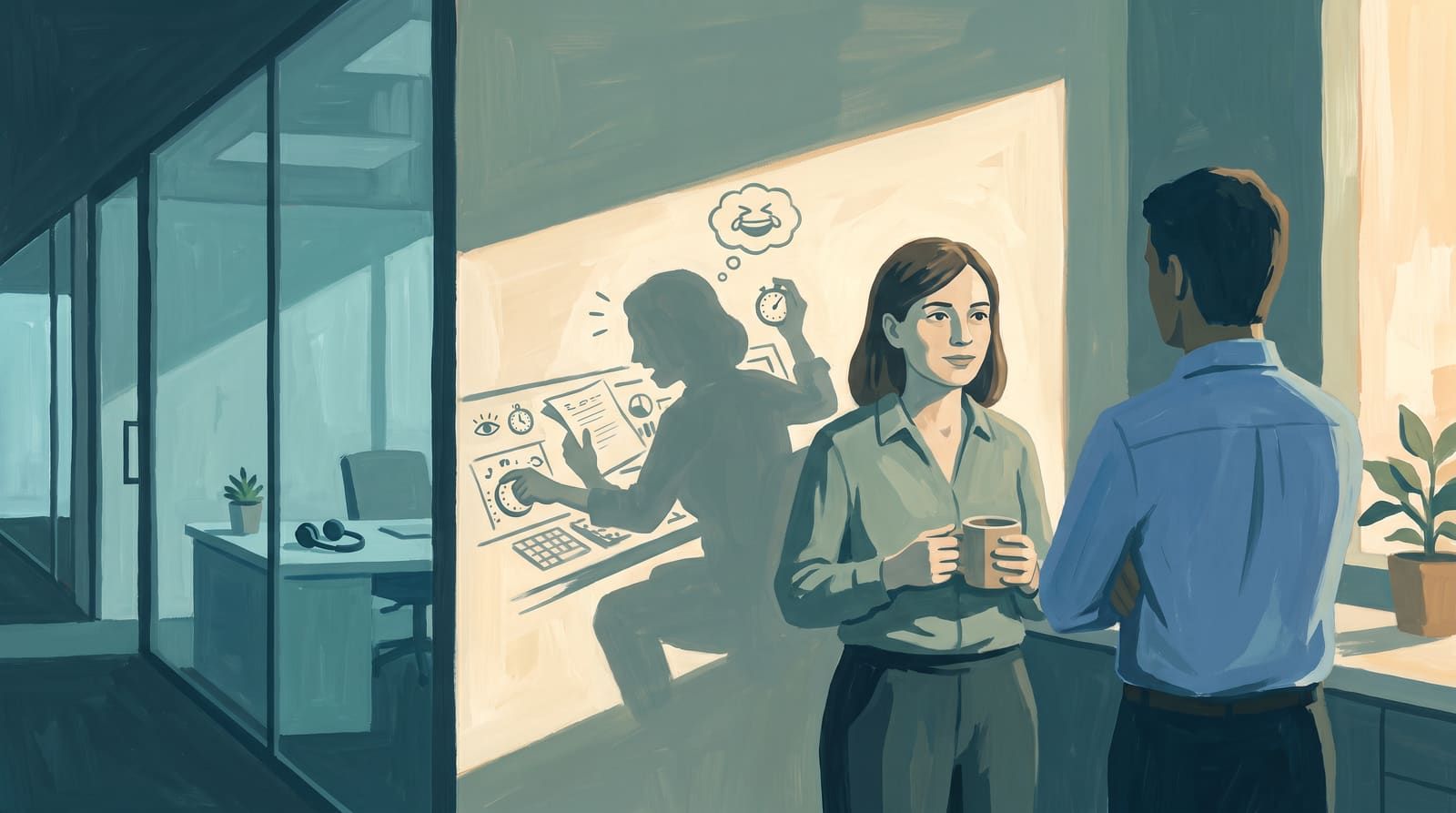
Clear, direct language often helps, and hints, metaphors and idioms can be taken literally.
The gap runs both ways. Zosia Zaks, disability counselor and autistic self-advocate, argues that when it comes to romantic love, the problem is not autism but discrimination.
Touch and physical intimacy
Touch is one of the clearest differences. In one study comparing autistic and non-autistic adults, 70% of autistic adults rated physical intimacy as important, compared with 100% of non-autistic adults.
- Autistic adults
- 70%
- Non-autistic adults
- 100%
Experiences vary widely, even inside the same study:
- One autistic man said “skin to skin contact helps me build trust and emotionally bond”.
- One autistic woman said “a lot of cuddling can startle or tickle”.
- Another said, “I do not like to be touched, so just cuddling is pretty intimate in our relationship”.
Many autistic people also find it hard to communicate their needs around touch, which can be a barrier to seeking relationships or sex.
Energy and recovery
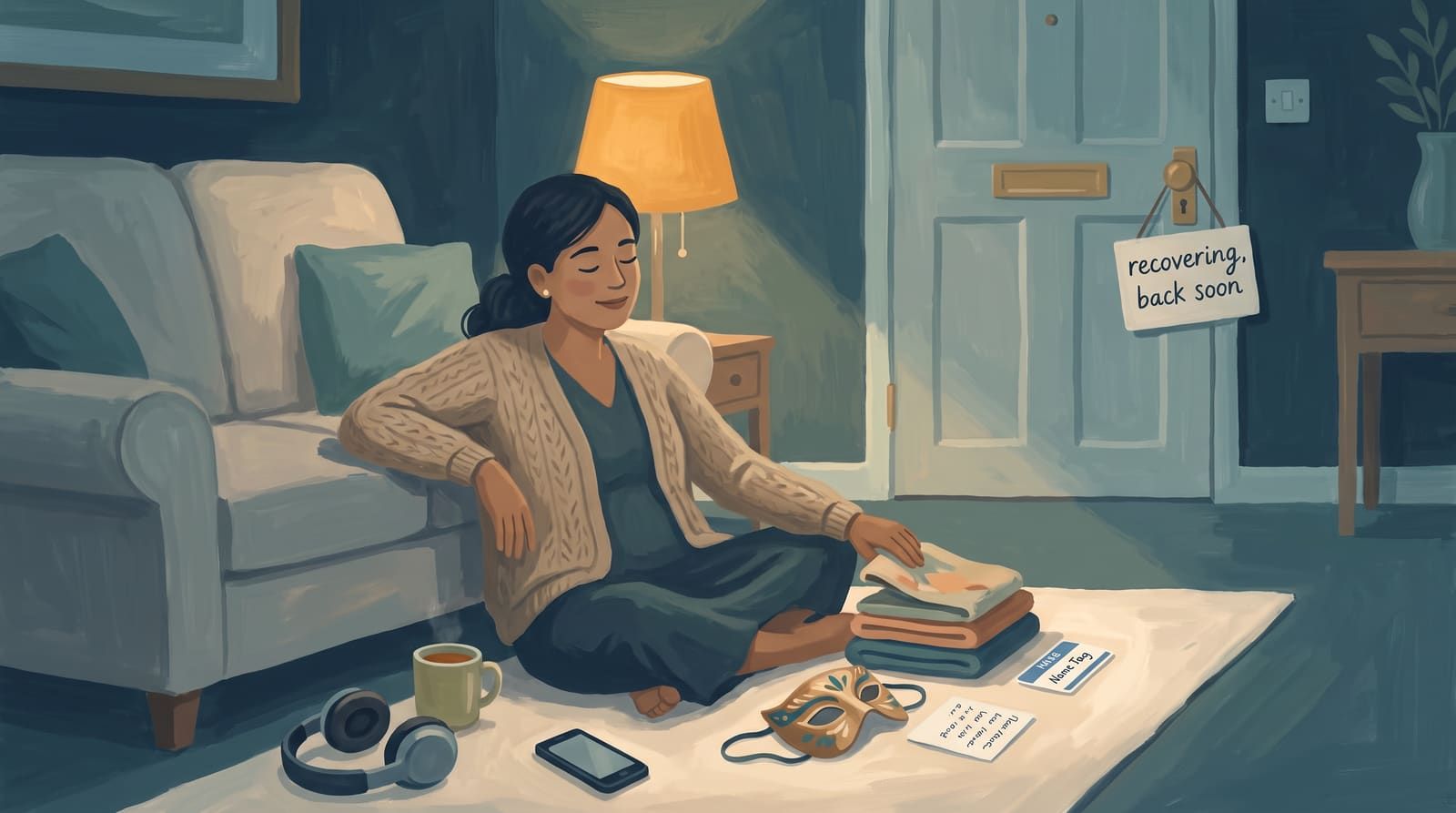
Dates and social time bring sensory and social fatigue, and recovery time afterwards can help.
Who is “the different one”?
Seeing it this way changes the question from “how do we fix the autistic partner?” to “how do two different people meet in the middle?” The scoping review notes that these relationships can be viewed as “intercultural coexisting relationships”.
What do autistic partners bring?
Stevie Lang, autistic author, describes romantic feelings that can follow the pattern of a special interest: “the excitement, the fascination, the returning loop of thoughts, the intensity and speed”.
Lang also points to other shapes of relationship that may suit autistic people better than conventional models: living separately, committed platonic relationships, or romance without sex. “Good communication is whatever works for you,” Lang writes. Lang’s relationship uses non-verbal communication where possible to resolve disagreements and tries to cap complex conversations at about 20 minutes, which keeps them “safe and happy”.
What helps
The scoping review’s advice is practical and explicit, and the strategies below are ways to show care in a language the other person can read.
For autistic partners
- Keep first dates short. Aim for 60–90 minutes rather than open-ended, with recovery time afterwards.
- Name your sensory triggers. Work out which kinds of touch and other sensory input are hard for you, and say so.
- Follow up after disclosure. Share something your partner can read, and ask for the specific changes that help.
- Question the template. Lang writes of continually unlearning ableist ideas and beliefs, which is part of building a relationship that works.
For non-autistic partners
- Say it plainly. Use direct, literal words and skip idioms and hints.
- Allow processing time. Give your partner time to think before expecting an answer, and offer to talk bigger topics through in writing.
- Ask about comfort. Check what feels comfortable and let your partner set the pace, especially with touch and sensory input.
- Notice your own habits. Your routines and preferences are differences too, not the default.
Together
- Hold regular check-ins. A routine for check-ins gives a structured opportunity to talk about the relationship.
- Make sensory agreements. Talk explicitly about which kinds of touch feel comfortable, and which do not.
- Agree on scripts and code words. Code words can signal overwhelming feelings or the need for alone time.
- Build in recovery time. Plan alone time after dates and social events.
When to get help
Summary
Many struggles in mixed autistic/non-autistic relationships come from different signals, not missing feelings. Autistic adults face real barriers in dating, from unwritten rules to risks on apps, and both partners bring their own sensory needs and communication habits. Plain words, sensory agreements, scripts and autism-informed therapy help each partner learn the other’s language.
Resources
- Reframing Autism: Divergent Love(opens in a new tab)
Stevie Lang on autistic love and non-traditional relationships.
Autistic-led
- Autism Spectrum News: Intimate Relationship Failures From an Autistic Perspective(opens in a new tab)
Zosia Zaks on ableism in relationships.
- Autism Spectrum News: Disclosure and Self-Advocacy(opens in a new tab)
On what to do after telling a partner.
Get new articles by email
One short email when we publish something new. Evidence-informed writing on autism in adulthood, no spam.
Sources (8)
- Gibbs, V., Edwards, C., Cai, R.Y., Love, A.M.A., & Pearson, A. (2026). Navigating Online Dating: Autistic Adults' Experiences of Connections, Disclosure, and Safety. Autism in Adulthood.
- Comparing Physical Intimacy and Romantic Relationships of Autistic and Non-autistic Adults: A Qualitative Analysis.
- Scoping review of relationship-counselling recommendations for partnerships involving autistic adults. Pacific Association of Continuing Autism Education.
- Lang, S. Divergent Love: Navigating Love and Relationships as an Autistic Adult. Reframing Autism.
- Zaks, Z. Intimate Relationship Failures From an Autistic Perspective. Autism Spectrum News.
- Navigating Neurodiverse Relationships: Disclosure and Self-Advocacy. Autism Spectrum News.
- Replenish Counseling. Supporting a Partner on the Autism Spectrum: Learning Healthier Ways to Communicate.
- Autism and Dating: Honest Advice for Autistic Adults. Neurodiverge.