Autism in Women: Why It Is Missed and How It Differs From Men
Why autistic women and girls are diagnosed less often and later, how masking hides traits, and what helps.
OwnmindedPublished 11 min read
You are not imagining this
You read an article about autism and recognised yourself in half of it. You thought back to school, the rules you studied, the friend you copied. Then you wondered why nobody ever said the word to you. Many autistic women ask the same question, often in their twenties, thirties or later.
Autism is a lifelong difference in how a person processes the social world, sensory input and change. For decades it was pictured as something that happens to boys. This article explains how big the diagnosis gap really is, why women and girls get missed, how autism can look different in them, and what helps.
How big is the gender gap in autism diagnosis?
The gap is real, but its size depends on how hard people look. A systematic review of 20 studies, covering more than 23,000 people, reports a male-to-female ratio of about 3:1 in a meta-analysis, falling to about 1.8:1 in population studies with thorough case-finding.
- Meta-analysis
- 3:1
- Population studies with thorough case-finding
- 1.8:1
When researchers search a whole population carefully, they find more autistic girls than routine diagnosis does. The same review concludes that autism in females is under-recognised, and that seeing autism as a “boy’s disorder” is a barrier at every stage, from first concern to final assessment.
Why are women and girls missed, and diagnosed later?
The review lists the main barriers it found: camouflaging, parental concern, other people’s perceptions and clinician bias. Most of those views came from parents rather than clinicians, teachers or autistic people themselves. Several patterns stand out:
- Fewer referrals: one study cited in the review found boys were referred for assessment about 10 times as often as girls.
- Different worries from parents: parents of boys raised concerns about restricted and repetitive behaviour 1.74 times as often as parents of girls.
- A higher bar for girls: girls often needed extra behavioural or language difficulties to reach the diagnostic threshold, a pattern the review did not see in boys.
- Other diagnoses first: several studies found girls were given other diagnoses before autism, which may have delayed the right one.
The tools themselves are part of the problem. A review of seven autism diagnostic tools used in Scottish services found that women and girls were under-represented in the samples used to test them, compared with UK estimates of how many autistic people are female. The author concludes this may make the tools less sensitive to how autism shows up in females.
Autistic women describe the same history from the inside. Mette Marie Ivie, autistic writer of the “Ask an Autist” newsletter, says autism was “originally only seen in young boys”, so women’s traits get dismissed. In her words, “We autistic girls got overlooked and ignored”.
Missed in childhood often means diagnosed late, or not at all. Studies cited in the review found that girls diagnosed at five or older got their diagnosis about 12 months later than boys, and girls with what was then called Asperger syndrome were identified about 1.8 years later than boys.
For adults, the delay can stretch for years. Marianne Eloise, a journalist and writer, was diagnosed at 27 after about five years of trying to get assessed. An earlier doctor told her she was probably autistic but said the waiting list was too long to be worth it. She later paid for a private assessment that ran for several hours over three days.
Ivie adds that many women are diagnosed late because other conditions are identified first, and that some women’s autistic traits are put down to abuse, which delays finding the autism underneath. She also says girls growing up in the 1980s and 1990s were simply not considered for diagnosis.
What does masking look like in women and girls?
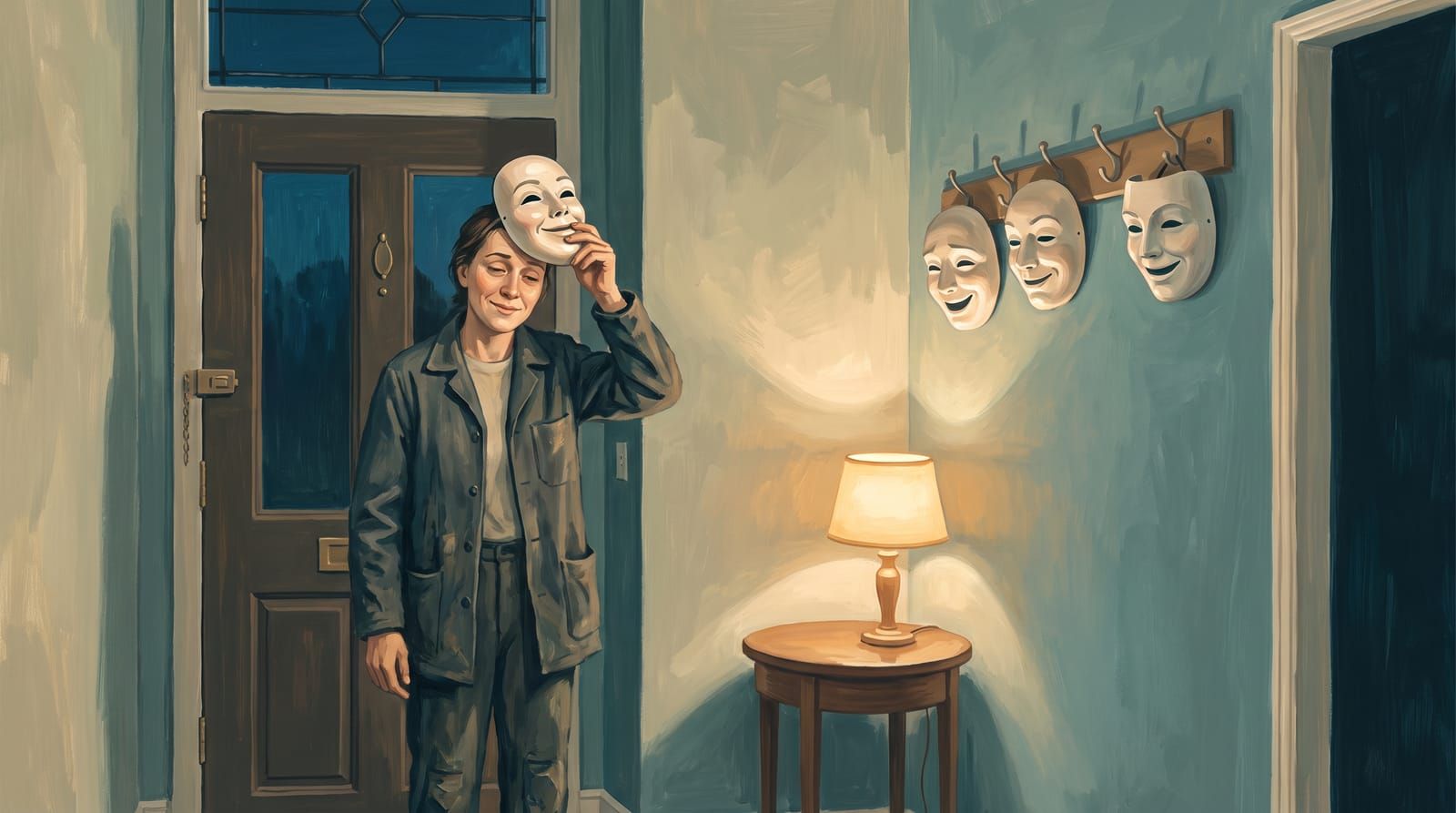
Masking, also called camouflaging, means hiding autistic traits to fit in. Chelsey Flood, autistic writer of the “Overthink Tank” newsletter, says women and girls may be especially likely to mask, often without realising, because they are raised to be agreeable and to police themselves.
Flood names tactics she recognised in herself:
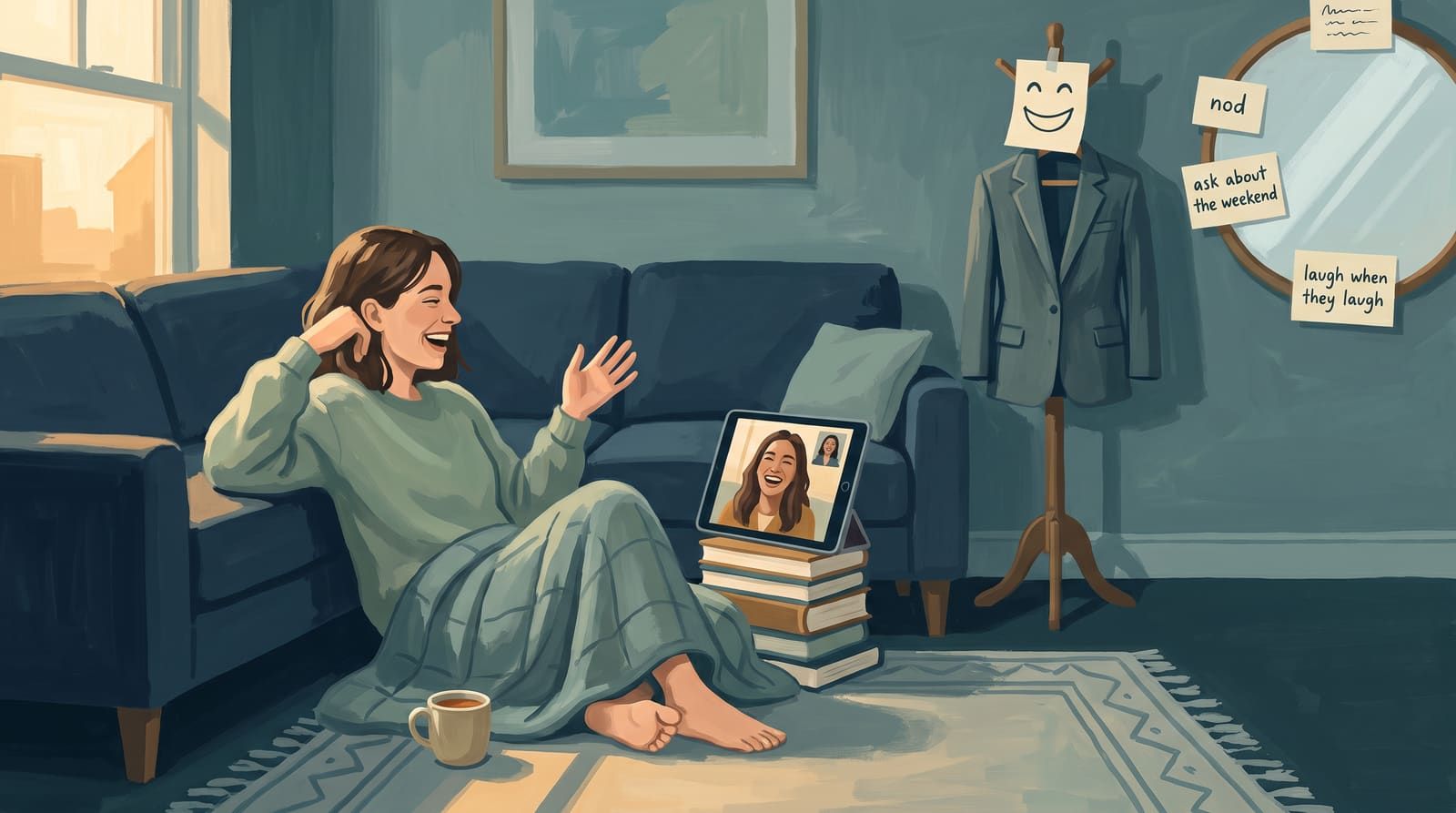
- Attaching to a more socially confident person to learn the unwritten rules by watching them.
- Nodding and staying quiet, so people would see her as shy rather than disabled. Her rule was “If in doubt, stay quiet and nod.”
How can autism look different in girls?
Often the traits are there, but other people give them a different name. Eloise says her behaviour at school was read as disruption or rebellion, her special interests as fandom, and her struggles with organisation and social life as laziness.
| What was there | How it was often read |
|---|---|
| Intense special interests | Being a fan, a phase or a hobby |
| Difficulty with organisation | Laziness |
| Social difficulty, hidden by watching and copying | Shyness |
| Distress and behaviour at school | Disruption or rebellion |
Are girls and boys actually different underneath? The evidence is mixed. The review found no clear answer on whether social communication differs between girls and boys, and differences seemed to narrow in adolescence. One possible reason is that masking becomes less effective as social demands grow in the teenage years.
What is autism mistaken for, and what does missing it cost?
When autism is missed, the strain of masking still shows, and it often gets named as something else. The Estia Centre says masked autistic women are often diagnosed with:
- Generalised anxiety
- Depression
- Emotionally unstable personality disorder
- Eating disorders
The page notes these may be secondary to masking, meaning the strain of hiding can lead to them.
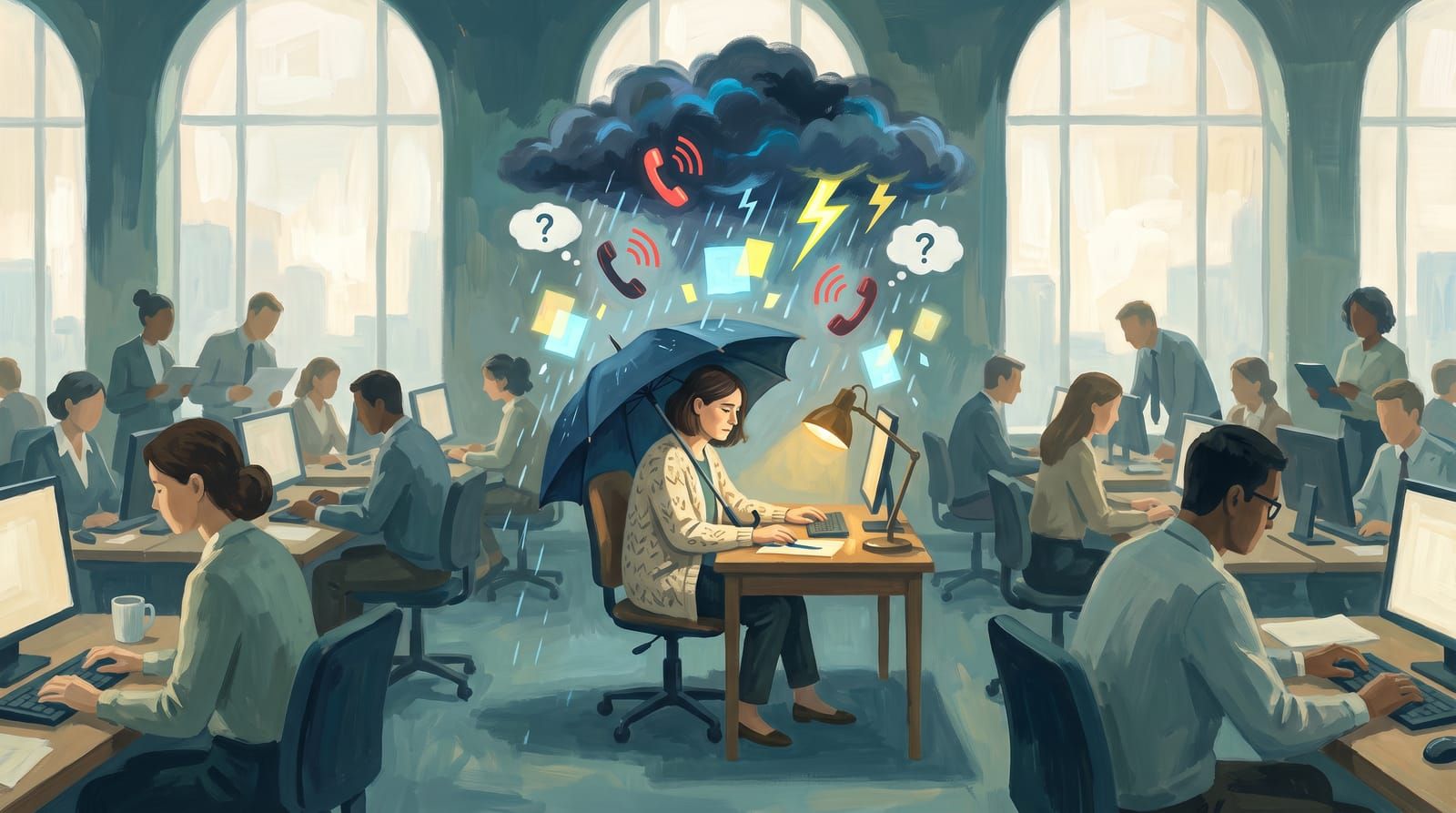
Long-term masking is also linked to autistic burnout. The Estia Centre describes it as severe exhaustion, a temporary or long-term loss of skills, and much greater sensory sensitivity. The same page links masking with raised suicide risk.
The process of getting diagnosed can hurt too. Eloise calls it “at times, dehumanising and brutal.” Yet she says the diagnosis gave her “certainty, solidity and the strength to articulate my needs”, and came to see being autistic as “not only OK, but good.”
What helps?
1. Seek an assessment
Flood was diagnosed at 37 by a senior clinical psychiatrist, about six months after she began researching how autism presents in women.
2. Mask less
Flood suggests small changes that lower the load:
- Ask for more processing time before answering or deciding.
- Choose conditions that suit you where you can.
- Allow recovery time after demanding days.
- Use sensory tools such as earplugs, eye masks or weighted blankets.
She also points to boundaries: “No is a full sentence, apparently.”
3. Find other autistic women
Contact with other autistic women can help people share experiences and build an authentic autistic identity, according to the Estia Centre.
4. Ask for adjustments that cut masking at work
For partners, family and clinicians
- Look past appearances: focus on someone’s internal struggles, not how calm she seems.
- Validate sensory and social needs instead of treating them as minor.
- Give recovery time after social interaction.
- Make mask-free spaces where she can stim and communicate without judgement.
Clinicians who want to learn more can look at the Estia Centre’s “Module 1: Autism and Women” training, which was listed for January 2026 with limited places. Check whether places are still open.
When to get help
The Estia Centre lists warning signs that masking has become too costly:
- Severe exhaustion
- Loss of skills, such as speech, daily tasks or the ability to keep up the mask
- Heightened sensory sensitivity
- Stress-related physical problems, such as tension headaches and physical exhaustion
- Meltdowns or shutdowns
Summary and resources
Fewer women are diagnosed as autistic partly because girls were never the picture of autism that tools, referrals and expectations were built around. Masking hides traits, other diagnoses come first, and the gap shrinks when researchers search carefully. What helps is recovery time, other autistic women to talk to, and adjustments that reduce masking.
- Estia Centre: Autistic masking in women and girls(opens in a new tab)
An NHS explainer on masking, burnout and support.
UK
- Chelsey Flood: What is masking and how can we stop?(opens in a new tab)
An autistic writer on masking and unmasking.
Autistic-led
- Mette Marie Ivie: Late diagnosed women with autism(opens in a new tab)
From the Ask an Autist newsletter.
Autistic-led
- Marianne Eloise: I'm autistic. I didn't know until I was 27(opens in a new tab)
A personal essay on late diagnosis.
Autistic-led
Get new articles by email
One short email when we publish something new. Evidence-informed writing on autism in adulthood, no spam.
Sources (7)
- Lockwood Estrin, G., Milner, V., Spain, D., Happé, F., & Colvert, E. (2021). Barriers to autism spectrum disorder diagnosis for young women and girls: a systematic review. Review Journal of Autism and Developmental Disorders.
- Murphy Lonergan, R. (2021). Gender balance in the validation of diagnostic tools for autism: a systematic review. European Psychiatry, 64 (suppl 1), S599.
- Eloise, M. (2020). I'm Autistic. I Didn't Know Until I Was 27. Gulf News (republished from The New York Times).
- Ivie, M. M. Late Diagnosed Women With Autism. Substack, Ask an Autist.
- Flood, C. What Is Masking and How Can We Stop? Substack, Overthink Tank.
- South London and Maudsley NHS Foundation Trust, Estia Centre. Autistic Masking in Women and Girls. SLaM blog.
- South London and Maudsley NHS Foundation Trust. Estia Module 1: Autism and Women. Course page.
How we research and write our articles: Editorial policySources & methodologyMedical disclaimer