Autistic Friendships: Fewer, Quieter and Often Deeper
Why autistic friendships often look different, what gets in the way, and how to find the people and places where connection works.
OwnmindedPublished 14 min read
The friend you see once a month
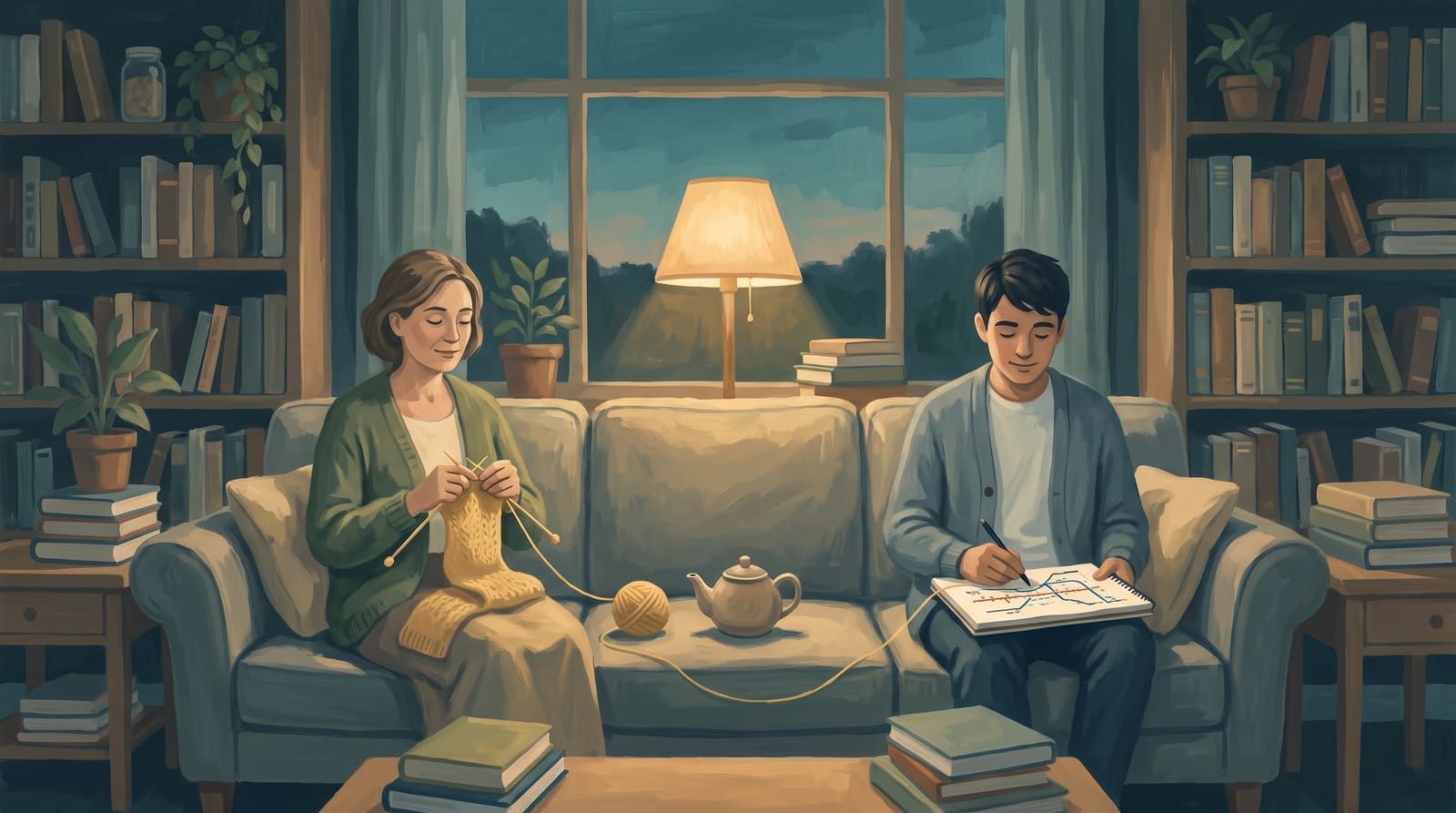
You have one friend you meet to play a game, watch a film or talk about the thing you both love. You might not text in between, and you never stay out late. Then someone asks whether you have “a lot of friends”, and the question makes your quiet friendship sound like not enough. You start to wonder whether you are doing friendship wrong.
Autistic people are often measured against a friendship script of frequent contact, lots of talk and a wide circle, and that script was not written for them. Many autistic adults want friends and are lonely without them, but the friendships that work often take a different shape. That is why the most useful help is finding the right people and settings, not learning the script.
Do autistic adults want friends?
Most do, and the wish often runs ahead of what they have. A 2025 review of research on friendship among autistic adults found generally high levels of social interest, and many autistic adults found ways to build friendships that satisfied them. A 2022 study of 40 autistic adults adds a fair caution: many, but not all, autistic adults want social connection.
How many autistic adults have a close friend depends on who you ask and how. Two studies in the 2025 review put the share with at least one close friend at very different levels, which the authors link to differences in who answered and in what counted as a close friend.
- Study one
- 60.2%
- Study two
- 88.3%
The wide range matters less than what follows from it. Friendship is closely tied to loneliness, and studies in the same review linked more and better friendships with lower levels of loneliness, depression and anxiety. A separate systematic review of loneliness found that having few relationships was linked to more loneliness, while supportive relationships could ease it.
So wanting friends is common, and missing them has a cost. The next question is what those friendships look like when they go well, because it is often not what the script expects.
What do autistic friendships look like when they work?
Many autistic adults prefer friendship with less closeness and more shared enjoyment. In two studies with 228 autistic and 232 non-autistic adults, autistic participants generally preferred lower emotional and physical closeness, and saw friendship mainly as a chance to enjoy things together rather than as a source of support. In their own words, autistic adults described friendship as shared interests and humour, where autism was not necessarily the main concern.
That does not mean the friendships are thin. Most studies using one friendship questionnaire found autistic adults had fewer and lower-quality friendships, but a study using a different measure of how close a relationship feels found autistic adults scored higher than non-autistic adults. The review’s authors read this as a sign that autistic adults may enjoy “low-density and high-quality friendship”: fewer friends, but good ones.
One young woman in a 2019 study made friends through cosplay, dressing up as anime and manga characters, and through online gaming. She had two friends she saw in person, and did not want more than a few friends because she would find it stressful. For her, the combination felt fulfilling.
Being social can also look quieter from the outside. The 2022 study of 40 autistic adults suggests that some may plan for less face-to-face contact so they can meet their social needs without being overwhelmed, and may prefer concerts, films or sports because they are more scripted and need less talk. Someone who seems to be on the edge of a group may still feel part of it.
If this is your shape of friendship, it is not a lesser version of the real thing. The harder question is why so many autistic adults still end up with less connection than they want.
Why does the usual script cost so much?
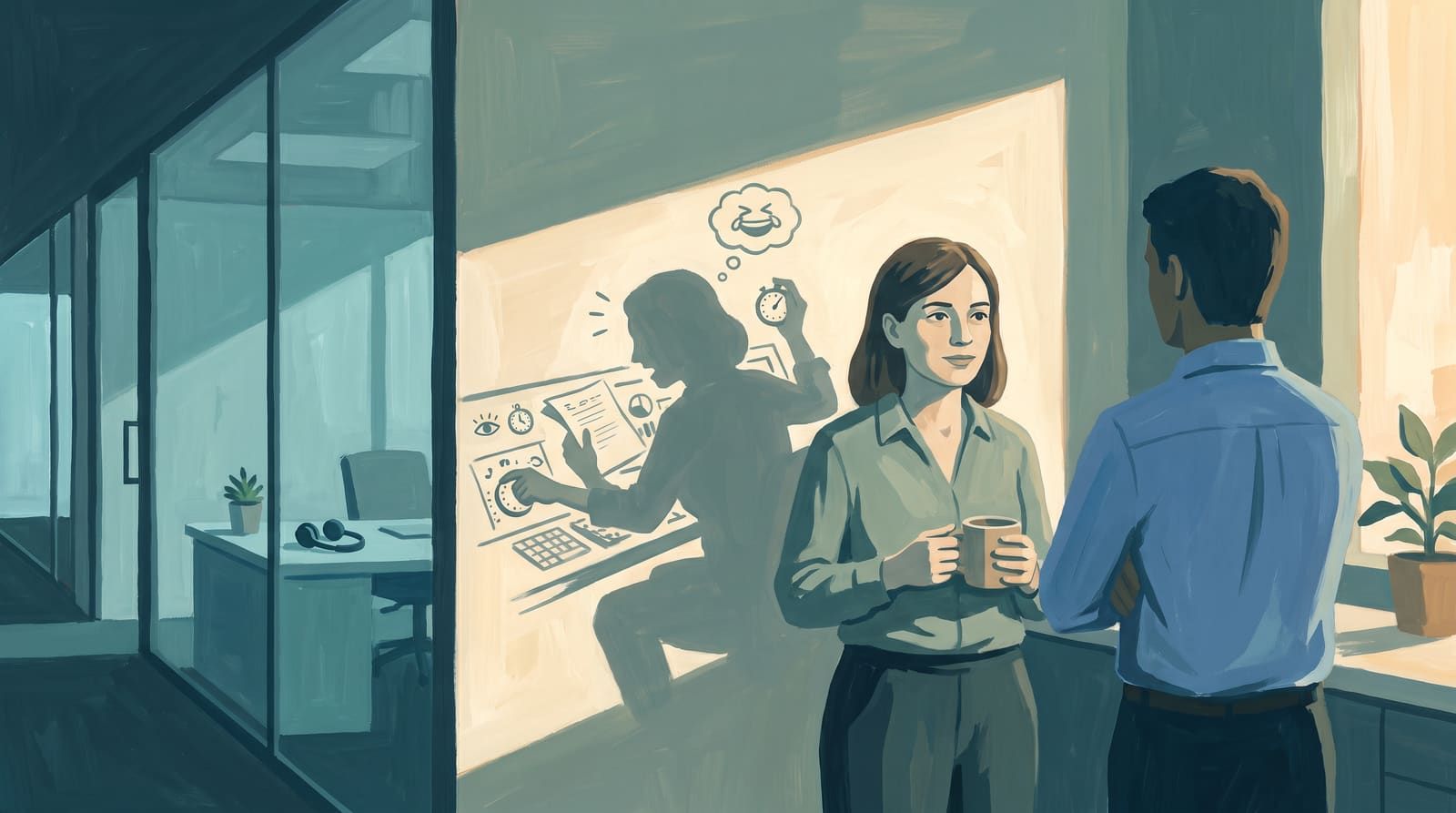
Following non-autistic social rules takes effort, and not following them often brings rejection. Young adults in the 2019 study said relationships were their greatest challenge: they felt pressure to keep to norms such as everyday chat, found it uncomfortable or confusing, and were met with negative reactions when they did not.
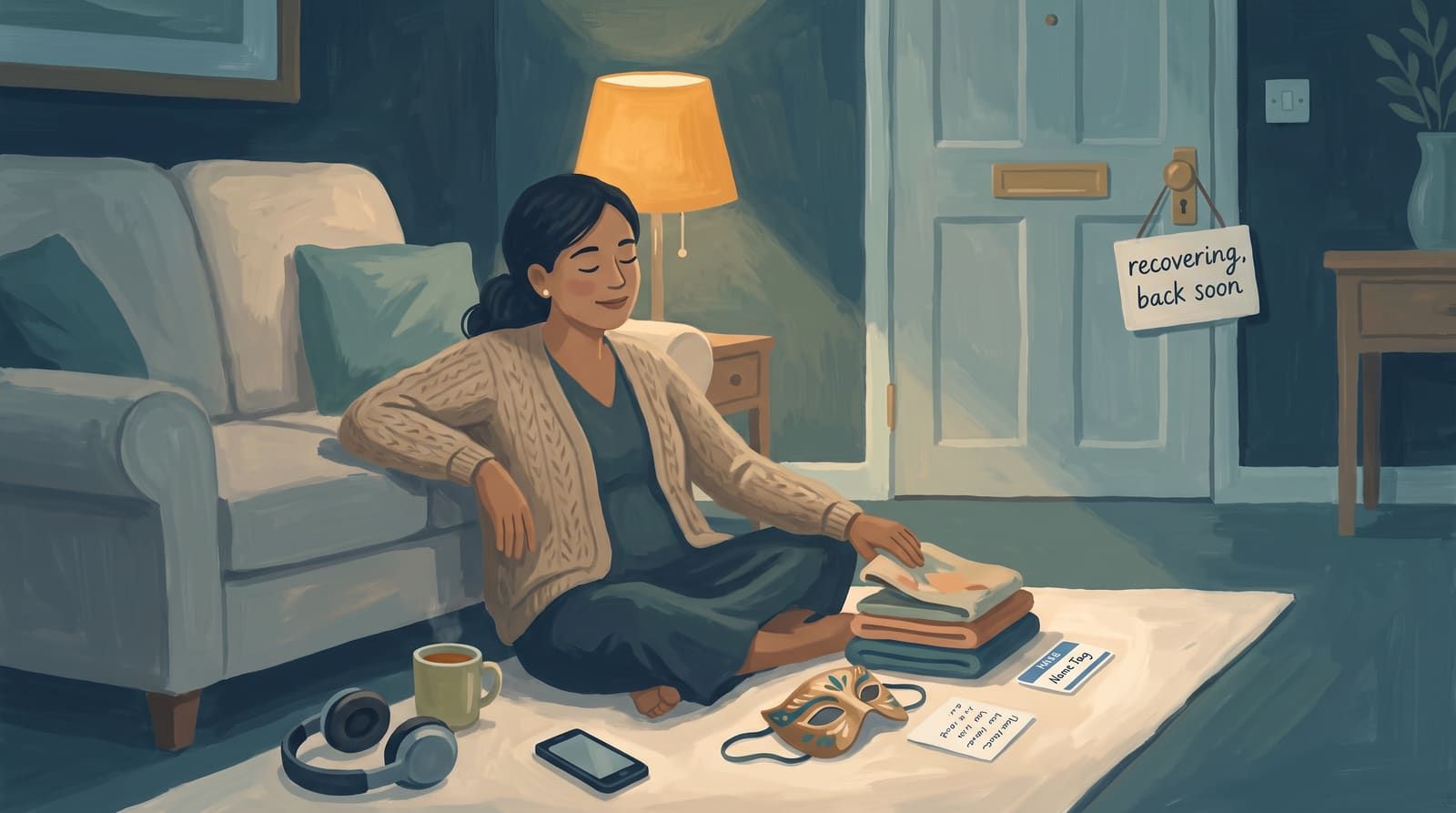
One participant described trying to join a group the way their mother did and being told off for eavesdropping. Another explained why holding back their first thoughts wears them down: “It is tiring to do that all the time so I can’t sustain too much interaction where I need to put on a socially-safe version of myself.”
This is why trying harder to fit in can backfire. The systematic review of loneliness found that trying to “fit in” through masking, hiding autistic traits, can increase loneliness, and its authors do not support approaches that push autistic people to conform. A friendship you can only keep while performing tends to cost more than it gives.
The places where people usually socialise add to the cost. Many autistic participants in one study found the venues non-autistic people chose too noisy or crowded, with pubs singled out as especially hard. If both the rules and the rooms are built for someone else, the problem is not only in the autistic person. That points to the other half of the gap.
The gap runs both ways
Misunderstanding between autistic and non-autistic people goes in both directions. This is called the double empathy problem: empathy depends on shared ways of doing things and shared expectations, and those can differ a lot between autistic and non-autistic people.
The evidence is practical. Non-autistic people struggle to read autistic people’s facial expressions, and they often form negative first impressions of autistic people without knowing they are autistic, rating them less approachable and more awkward. Those snap judgements are not about content. When non-autistic people read the words autistic people said, they judged them no differently; it was how autistic people looked and sounded that led to avoidance, which means fewer chances to meet people and make friends.
Among autistic people, the same difficulties often fade. In a game of “telephone”, chains of eight autistic people passed a message on just as accurately as chains of eight non-autistic people; the message broke down quickly only in mixed groups.
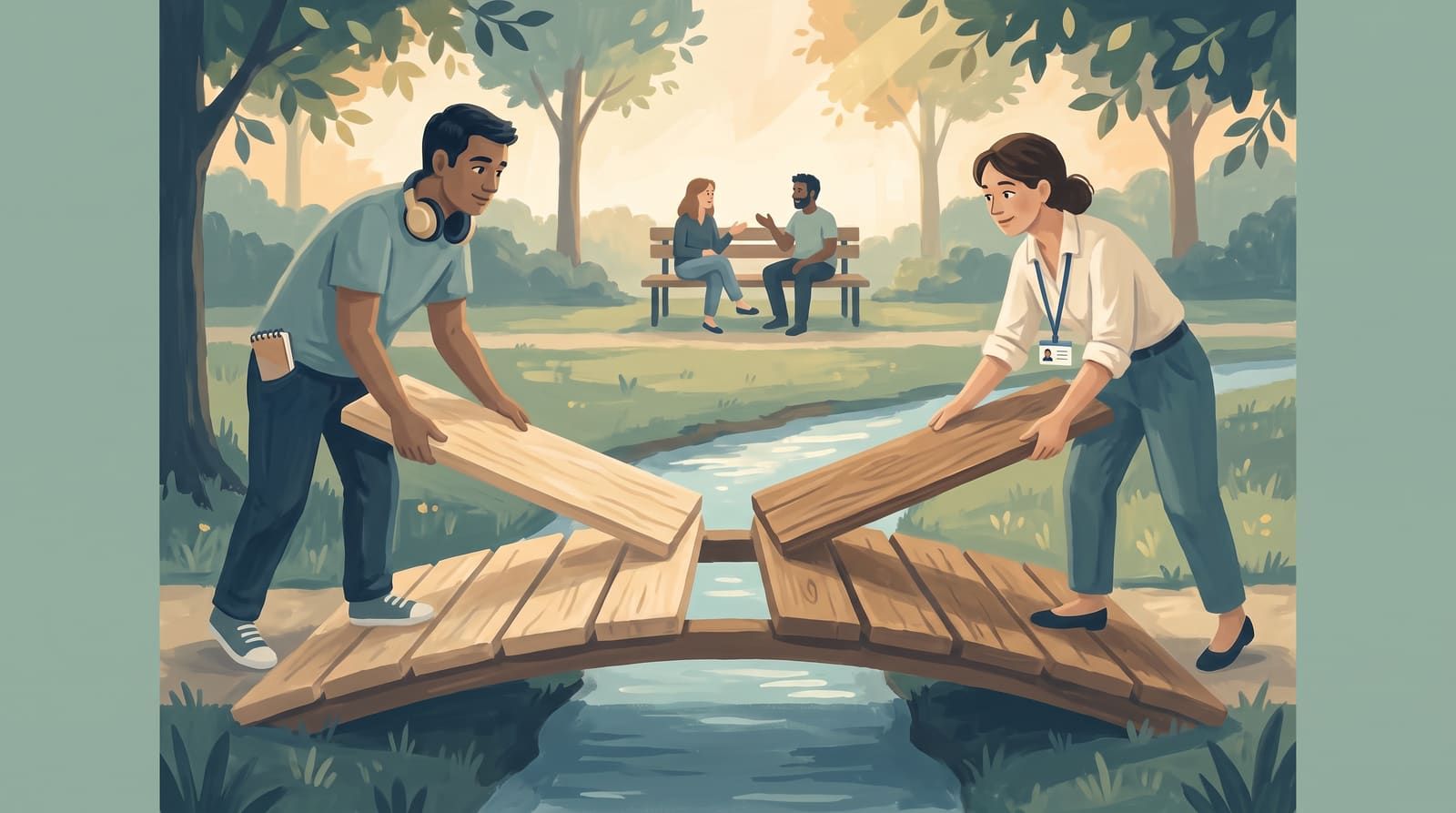
If the mismatch is shared, then the fix is not only on one side. It also means the setting, and who is in it, can change how easy friendship feels.
Where do autistic friendships start?
Friendships tend to start in places organised around a shared interest or a shared way of being. Autistic adults in the 2022 study found connection in five main settings: work, neighbourhoods, interest groups, support services and inclusive spaces, and online networks and apps. Even casual chats with neighbours helped people feel part of their community.
Shared interests and structure come up again and again. Sara Meyer, a researcher at Altogether Autism, reports that an autistic advisor said what helped most was shared interests and structured time together, and autistic university students said interest-based clubs helped them make friends. That fits the earlier finding that many autistic adults see friendship as enjoying something together.
Group size matters as well. Altogether Autism’s advisors stressed finding a safe person within a group and spending time with just one or two people at a time; as one put it, socialising with one person “is less overwhelming”.
Online spaces remove several of the barriers that make in-person socialising hard. Altogether Autism lists why online contact can be more accessible:
- the rules of engagement are clearer
- communication is mostly in words
- you do not always have to reply straight away, so there is time to think
- there is some distance between the people talking
Each of these points removes a demand rather than asking the person to meet it. Other autistic people do something similar: autistic adults are more likely to share about themselves with other autistic adults, and those relationships build feelings of acceptance and safety. The 2025 review reaches the same point, suggesting autistic adults may need autistic-led social opportunities to find friends who accept their differences.
The trouble is that many people cannot find these places. In a 2025 survey by AsIAm, Ireland’s autism charity, 63% of autistic adults said there were no social activities in their area that matched their interests. So what can people actually do?
What helps?
The help that works most often changes the setting, not the person. Young adults in the 2019 study who lacked friends wanted social opportunities but did not know where to find them, and some found workshops a poor match for what they needed. Some of the approaches that worked were ones they started themselves.
For autistic adults
- Start from an interest. Look for a club, game, fandom or regular event built around something you already love, where the activity does some of the talking.
- Keep it small. Meet one or two people at a time, and bring a trusted person to bigger events if that helps.
- Try autistic spaces. Autistic-led groups and online communities can be places where you do not have to translate yourself.
- Make your own group if there isn’t one. One young woman who could not drive and had little public transport started a social group and ran regular events herself.
- Count online friends. Friendships made through gaming or forums are real friendships if they feel like friendships to you.
The loneliness review also points inward, though not toward change: it found self-acceptance was linked to less loneliness, and encourages autistic people to build positive views of themselves.
For parents, partners and friends
Your part is to help with finding people, not to coach the script. The 2019 study suggests guiding autistic young adults toward friends who are understanding and appreciative, rather than practising norms that hide their autistic traits, and toward other forms of friendship such as online communities.
Researchers do not fully agree on the role of formal social skills training, which is why it helps to see both views side by side.
Views differ
Some evidence for training
Both views agree on one thing: training that teaches an autistic person to hide who they are carries a cost. Communities have a part to play too. AsIAm’s recommendations include more investment in community-based, autism-friendly social supports and a grant scheme for local projects tackling social exclusion.
A different shape, not a smaller one
Back to the friend you see once a month. Measured against the usual script, that friendship looks small. Measured against what many autistic adults say they want, enjoyment, shared interests, a few people who accept you, it may be exactly right.
The goal is not more contact or more talk. It is the right people, in a setting that does not cost more than it gives. If you are lonely, the next step is less likely to be changing yourself and more likely to be changing where you look.
- AsIAm(opens in a new tab)
Ireland's autism charity, which campaigns on loneliness and inclusion for autistic adults.
Ireland
- Altogether Autism(opens in a new tab)
An autism organisation with an autistic advisory group, which writes about how friendship may look different for autistic people.
Get new articles by email
One short email when we publish something new. Evidence-informed writing on autism in adulthood, no spam.
Sources (9)
- Wu, T. and Wang, D. (2025). Experiences of friendship among autistic adults: a scoping review. Frontiers in Psychiatry, 16.
- (2022). Beyond Friendship: The Spectrum of Social Participation of Autistic Adults. Journal of Autism and Developmental Disorders.
- Sosnowy, C., Silverman, C., Shattuck, P. and Garfield, T. (2019). Setbacks and Successes: How Young Adults on the Autism Spectrum Seek Friendship. Autism in Adulthood, 1(1), 44–51.
- The Transmitter (Spectrum). Double empathy, explained. The Transmitter.
- Crompton, C. J., DeBrabander, K., Heasman, B., Milton, D. and Sasson, N. J. (2021). Double Empathy: Why Autistic People Are Often Misunderstood. Frontiers for Young Minds, 9.
- Meyer, S. (2024). Friendship may look different for Autistic people. Altogether Autism.
- AsIAm (2025). We Just Want to Be Included: position paper on loneliness among autistic adults in Ireland. AsIAm.
- Loneliness in autistic adults: A systematic review. Autism (SAGE).
- Crompton et al., 2021
How we research and write our articles: Editorial policySources & methodologyMedical disclaimer